Standing at 1,796 meters, the summit of Veliki Snežnik is a gateway, the highest non-Alpine mountain in Slovenia. This mountain serves as the first major atmospheric barrier for weather systems rolling in from the Adriatic Sea and the Mediterranean into the continental interior of central Europe and the northern Balkan peninsula.
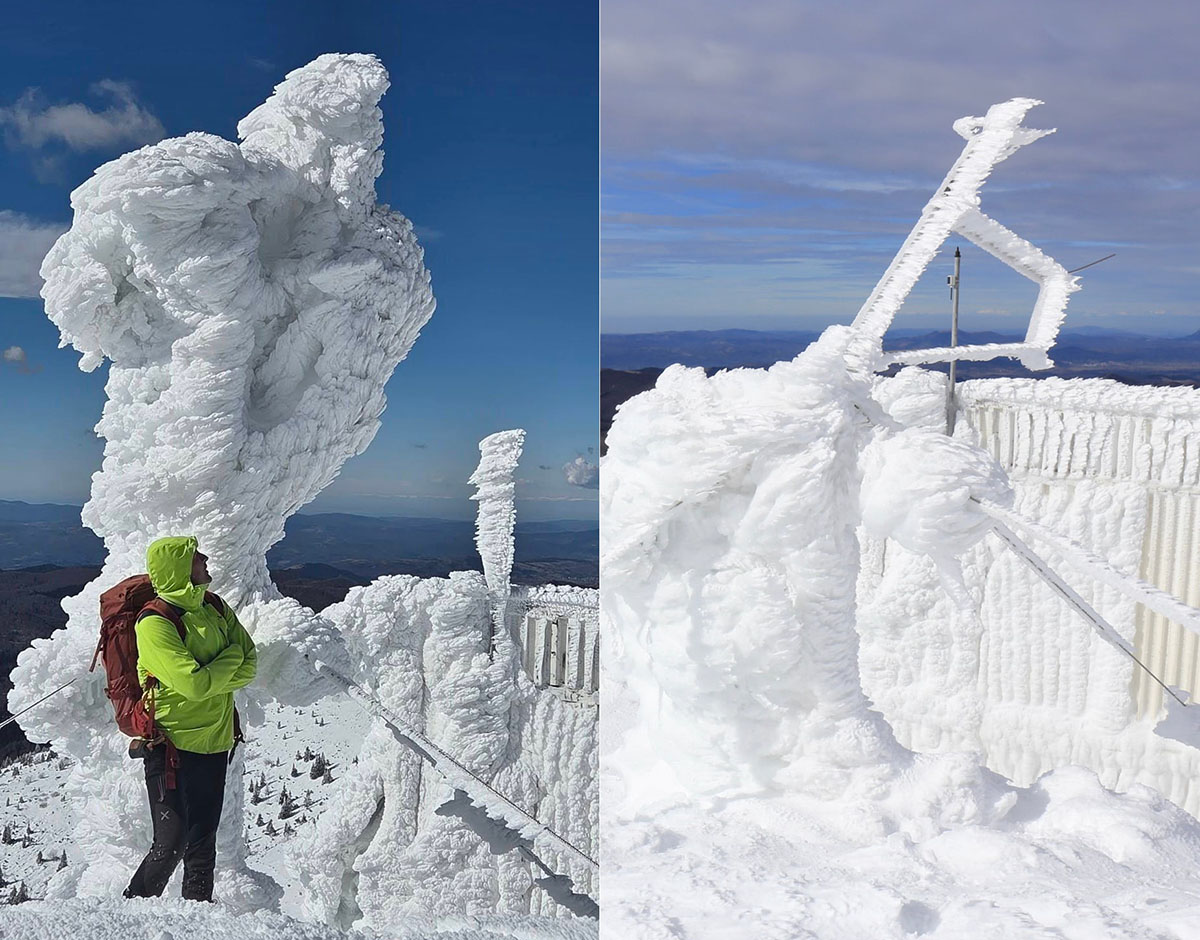
Its unique geography makes it the most exposed mountain location in the country. A place where the air flows are never calm and where Mother Nature expresses itself with an intensity rarely seen elsewhere. Exposed to all directions, mt. Snežnik is the place of numerous weather extremes.
It has experienced erratic wind behavior in exposed terrain, including being beaten by icing loads on structures, snow-accumulation dynamics, direct lightning strikes, and rapid storm development in recent years.
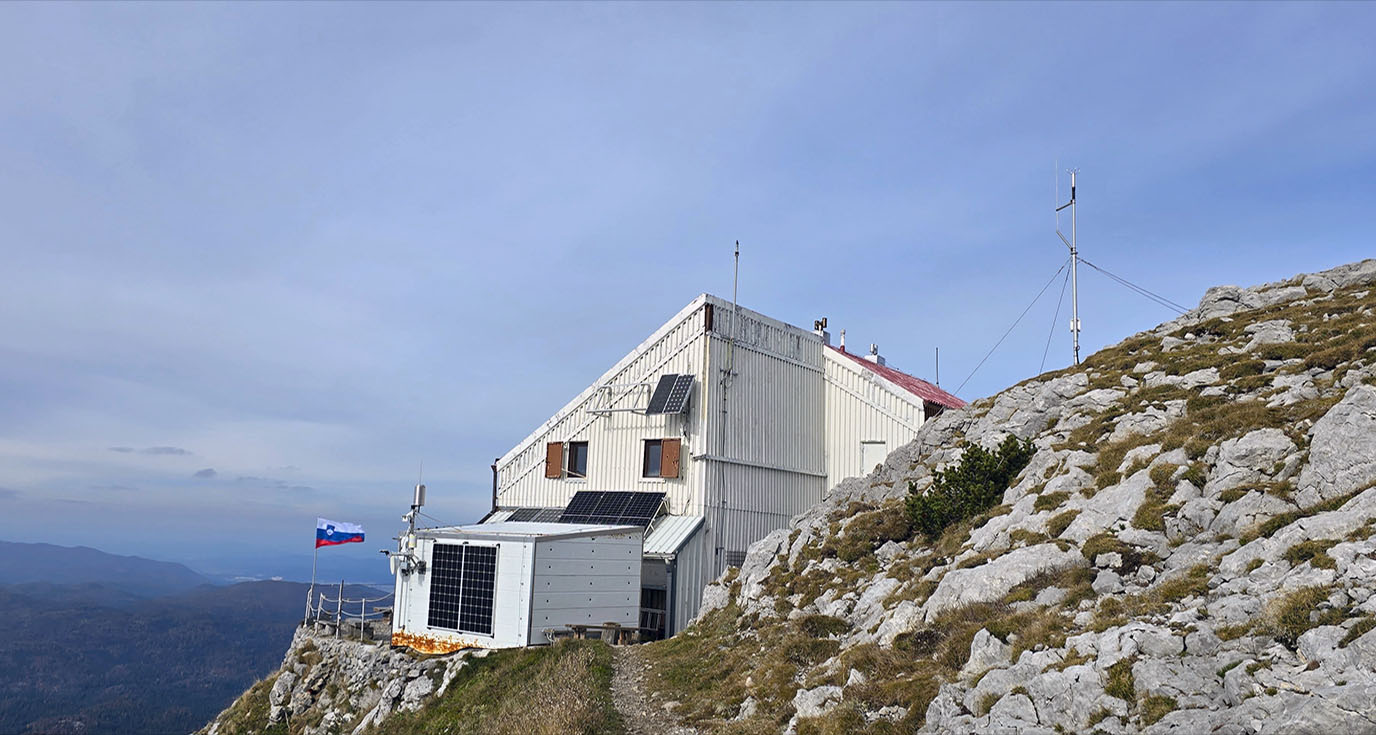
To capture this precious meteorological data, our partner from Meteolab established an Automatic Weather Station (AWS) atop this majestic mountain. For years, the station has provided vital, real-time data for hikers, scientists, and civil protection agencies.
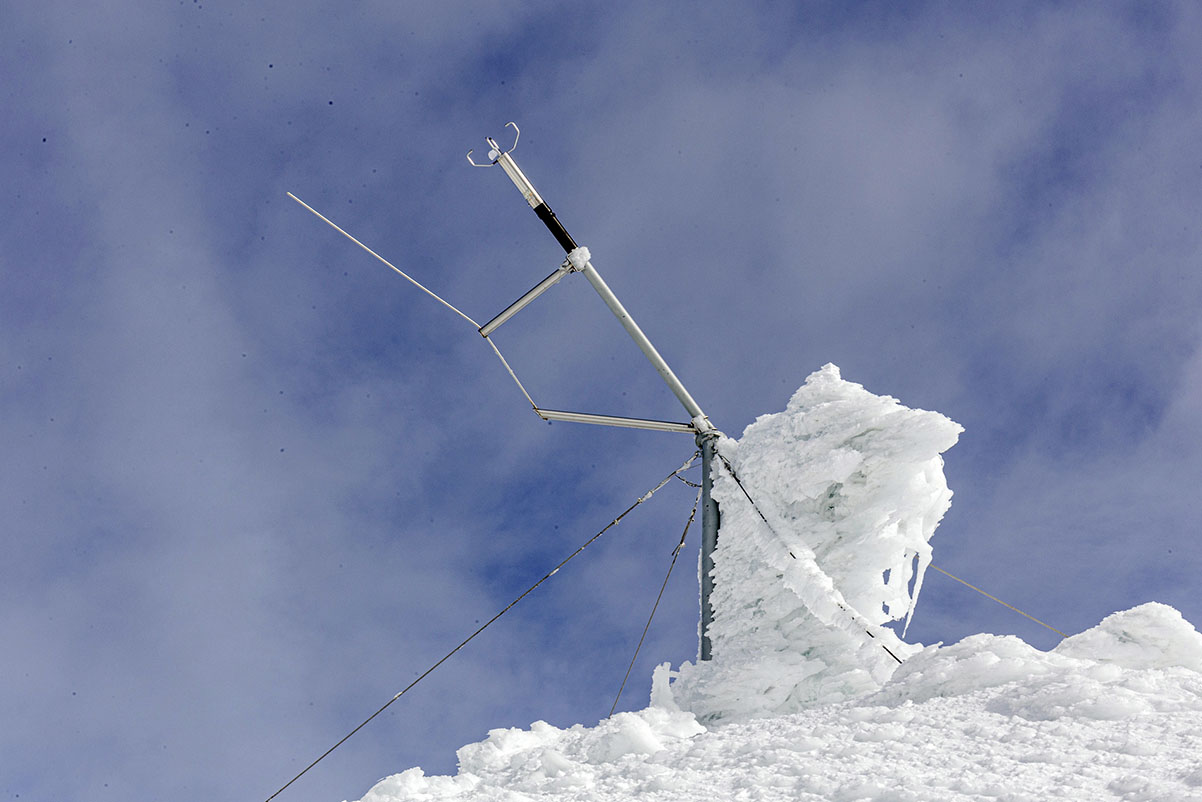
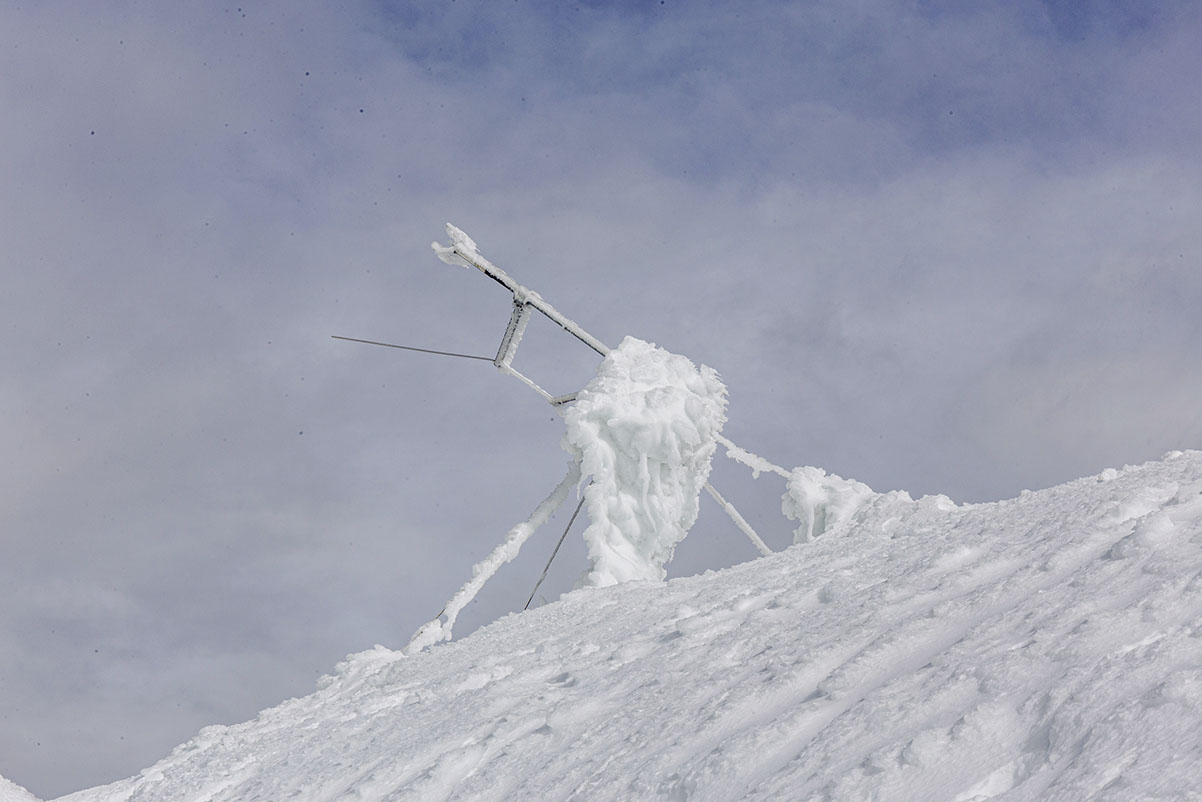
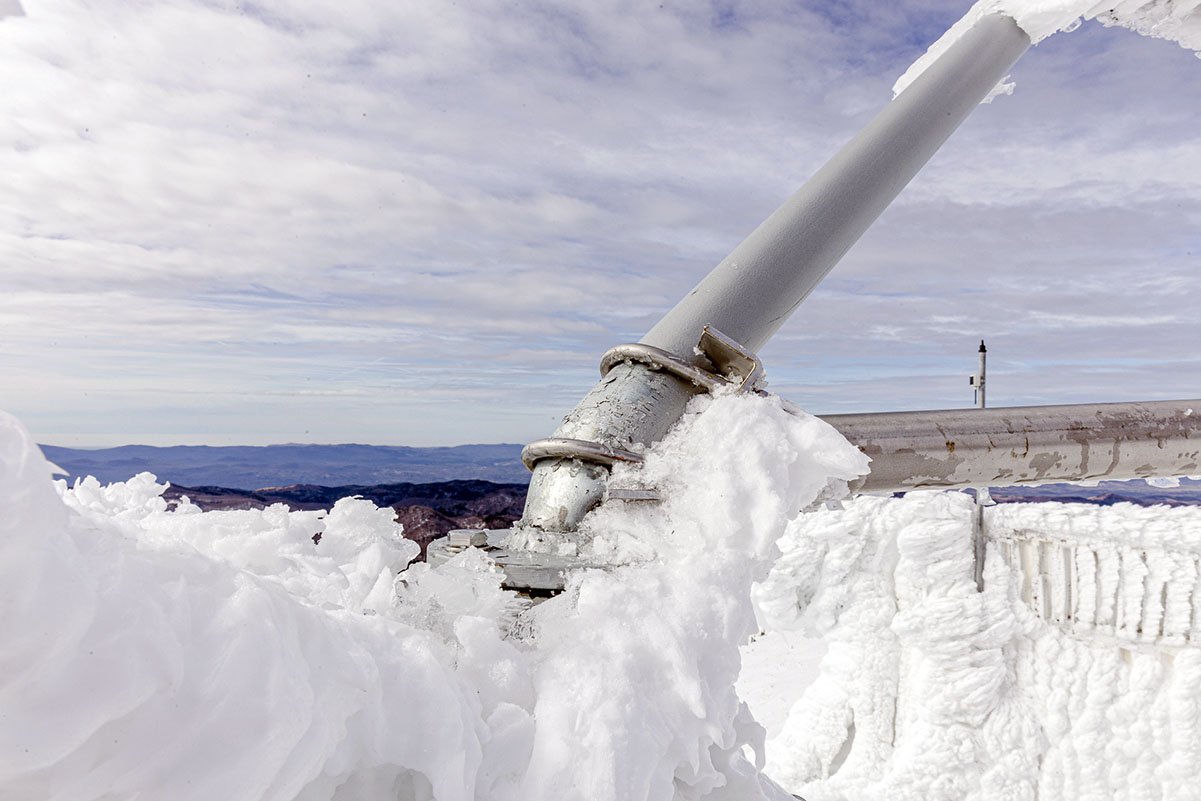
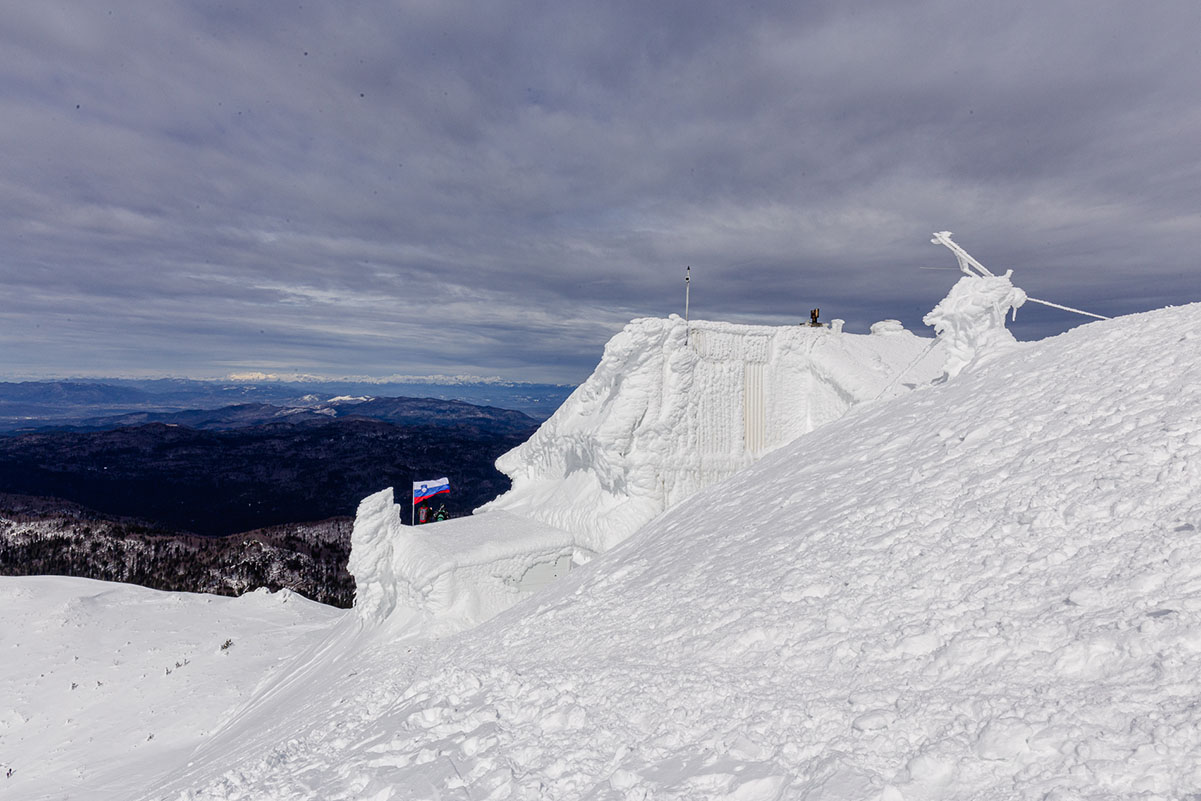
This winter and just recently, the mountain fought back. A combination of extreme freezing rain, hard rime icing, and violent, hurricane-force winds took its toll. The heavy weight of the ice structures, with tens of kilos of frozen mass, has severely damaged the station.
Right now, as the winter season is vanishing and we’re emerging into springtime storms, the sentinel of Snežnik is silent.
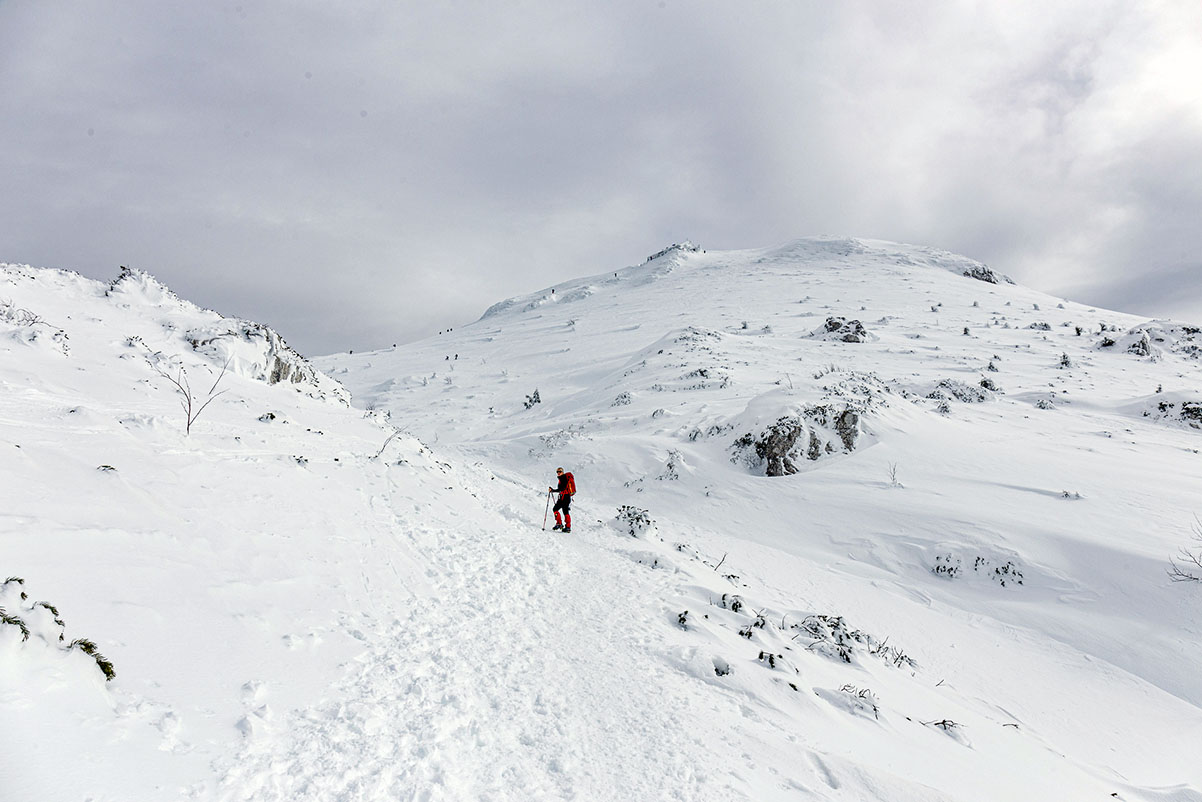
We are helping our partner Meteolab with the fundraiser, not just to repair a piece of equipment, but to restore a critical eye in the sky that keeps our community safe. Fundraiser access below:
Help strengthen the Sentinel of Snežnik, a summit Weather Station
Veliki Snežnik mountain: The frontline of the wild Adriatic weather
Why does Snežnik matter? In meteorology, exposure to weather extremes is everything. While Alpine weather stations are located within deep ranges, Snežnik sits on the edge of the Dinaric Karst.
It is directly facing the violence of the “Bora” winds and the humid air masses of the south; the clashing of these masses creates unique extremes.
Just imagine, when a “Genoa Low” cyclone forms, Snežnik is the first to feel its pulse.
The frontal system that accompanies these types of lows is typically abundant with rain, snow, violent winds, freezing fog, and, often, also dangerous, intense lightning strikes into the rocky peak of the mountain.
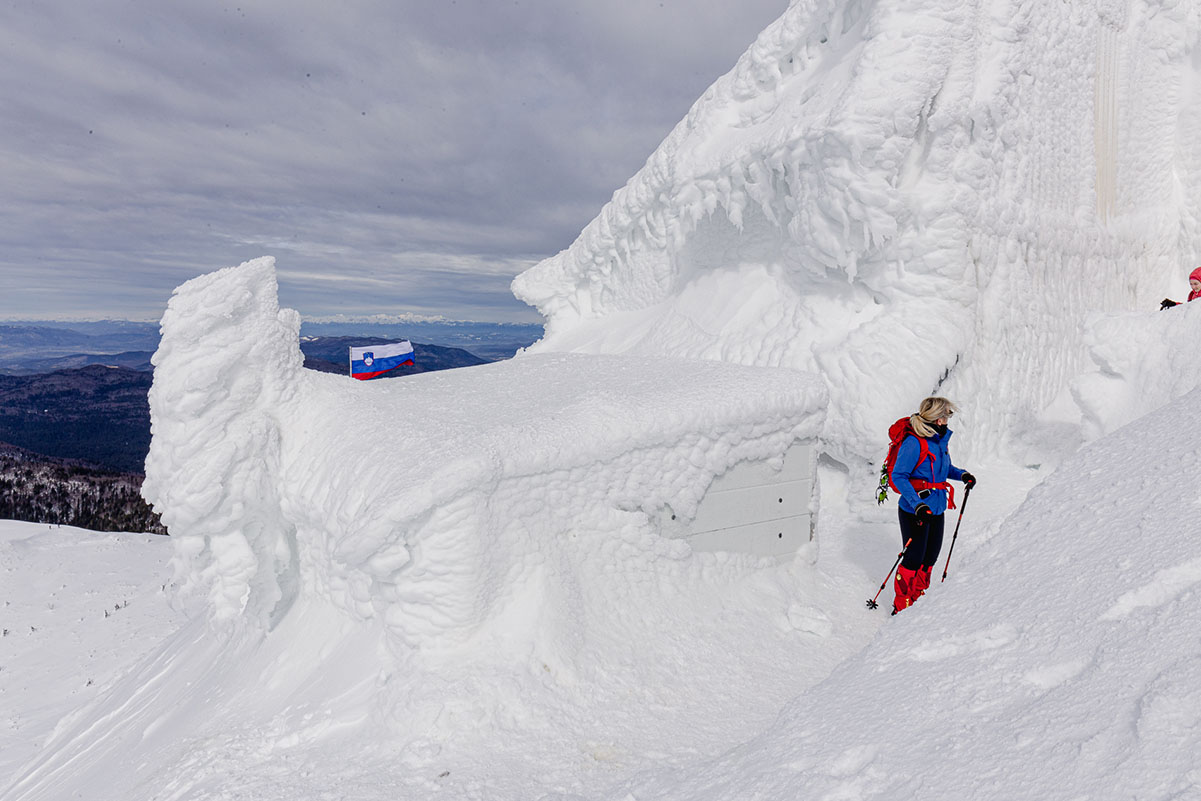
The data collected here is indispensable for various reasons.
- The safety of the 10,000 or more hikers who summit the peak annually. There are also hundreds of skiers and visitors during the winter months.
- Data from the mt. Snežnik is the early warning system for the flood-prone regions downstream.
- It helps the climate research in one of Europe’s most biodiverse and weather-sensitive forest plateaus in the region.
The Spring 2026 destruction: Intense freezing rain and hard rime took a toll
To the casual observers and hikers, a mountain covered in snow and ice looks like a winter wonderland. To a weather station, that is the real battlefield. The fight for survival and to deliver precious data.
Back in late 2023 and early 2024, Snežnik experienced a series of severe icing events. Freezing rain is a meteorological phenomenon in which liquid water turns to ice. The moment it touches a sub-freezing surface of the station, it coats the weather sensors in a thick, glass-like glaze.
This is known as black ice, a transparent, clear ice layer that accumulates on exposed surfaces.
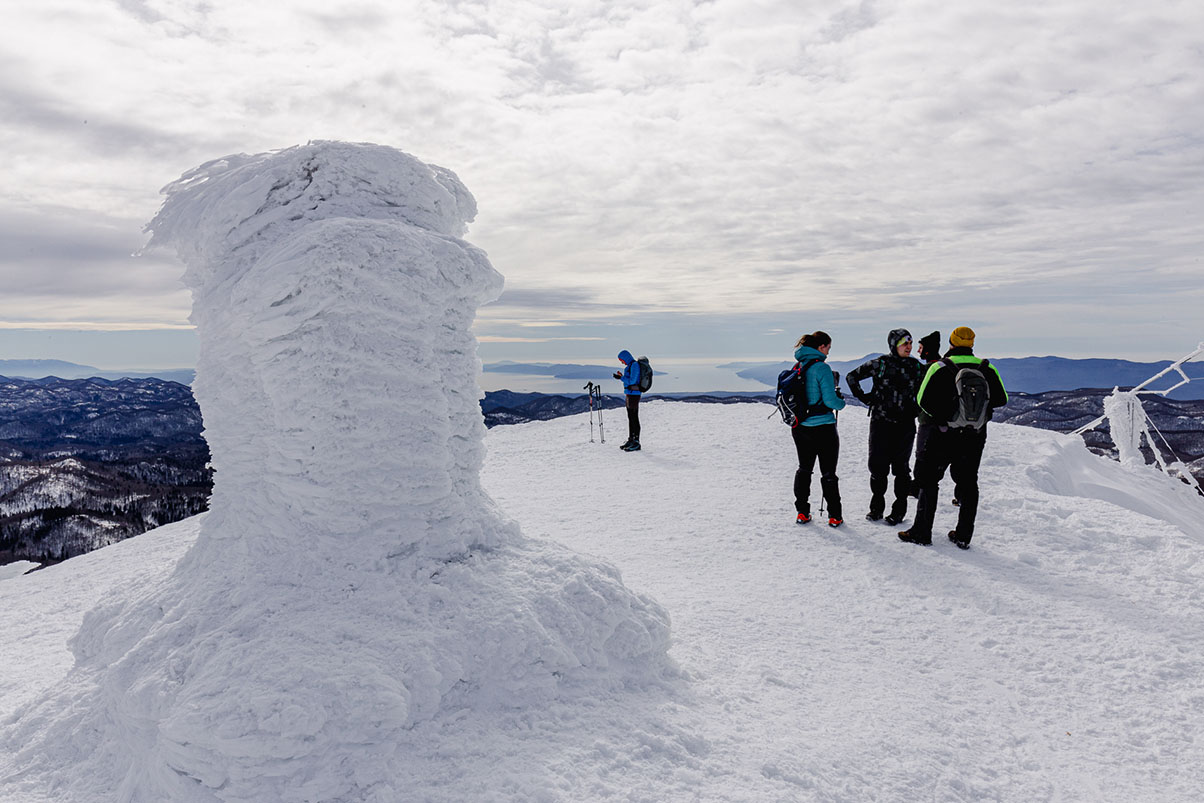
At locations such as Snežnik, freezing rain is a temporary state while the frontal system passes through the region; then it is often replaced by heavy snow, and the mountain tops are in the clouds. This typically persists for days, associated with strong-to-severe Bora winds, a perfect scenario for days or even weeks of hard rime formation.
Hard rime, unlike soft frost, is a dense ice structure formed by supercooled cloud droplets freezing onto windward surfaces. And it grows pretty fast over time, and it does not stop until the mountain top is deep in the clouds, where humidity is very high, and temperatures are frigid, with extremely low windchills blasting the summit by the Bora.
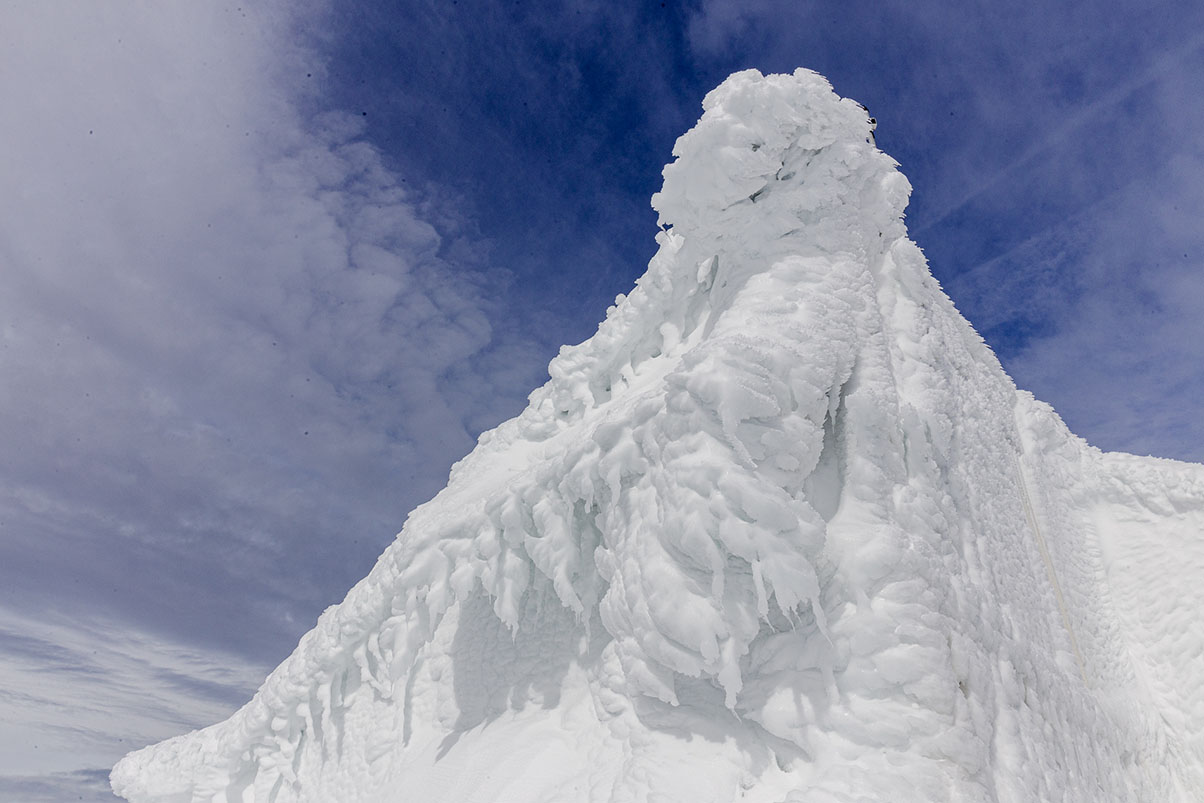
On Snežnik, these ice deposits don’t just sit and park on the equipment; they grow into massive flags. like structures that can reach several meters in length. The sheer weight snapped the high-precision anemometers (wind sensors) and compromised the structural integrity of the solar mounting systems.
The weather station, designed to withstand 200 km/h (125 mph) winds, was finally brought down by the slow, crushing weight of the ice itself during last week’s Arctic cold event.
Keeping the Snežnik station alive: The technological challenge
Maintaining a weather station on Snežnik is an engineering challenge. Because there is no power grid on the summit, the station relies entirely on its own solar energy and high-capacity battery storage. In winter, when the sun is low, and the panels are often buried in snow or ice, every watt of energy is precious.
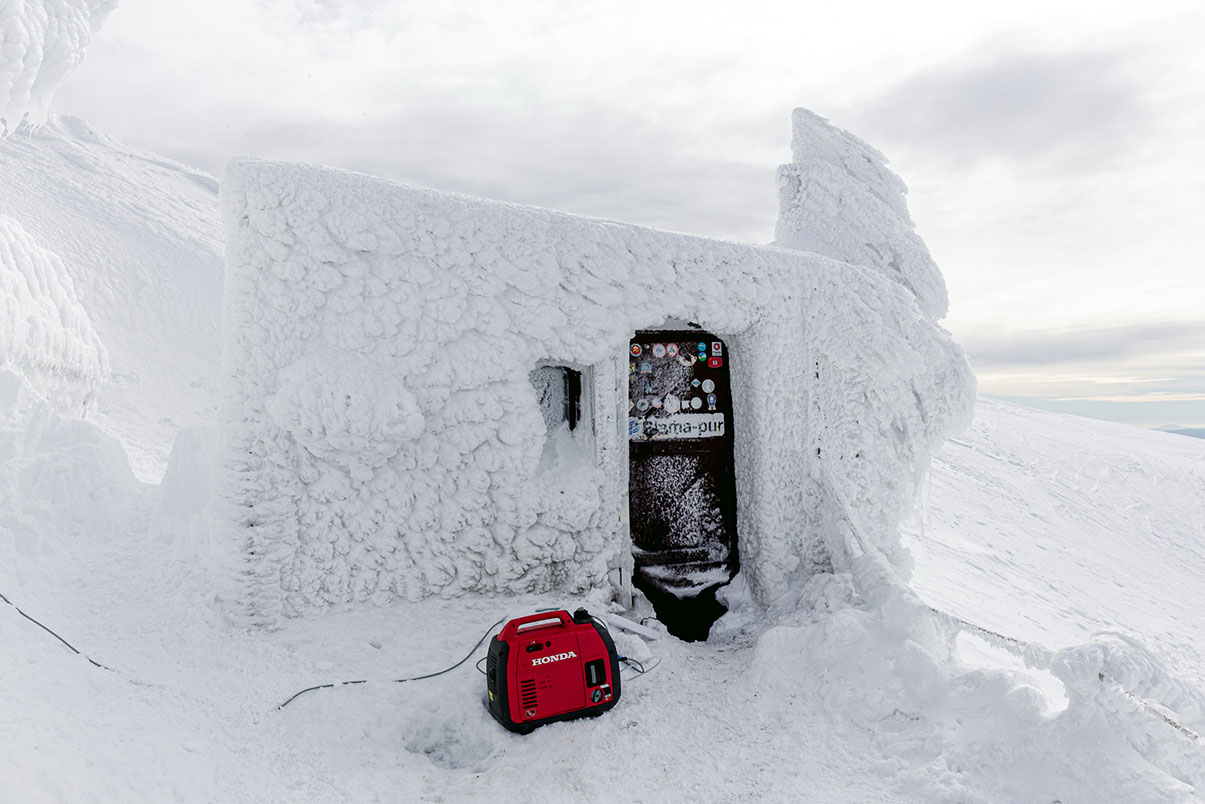
The goal is not just to replace what was lost, but also to innovate and make it better, more sustainable in the future. The future upgrades to install will be:
- A military-grade heated weather sensors that can melt ice in real-time without draining the batteries.
- A significantly reinforced structural pylons that are capable of carrying the extreme loads of hard rime.
- Next-generation radio links engineered for resilient, uninterrupted telemetry in extreme conditions.
The Snežnik weather station, built and maintained by our partners Meteolab, is driven by a passion for science and public service, but the costs of high-altitude maintenance are staggering. A single industrial-grade heated wind sensor can cost upwards of €3,000.
The helicopter transport for heavy materials, specialized mountain technicians, and ruggedized housing for electronics add significantly to the bill. The reinforced structural pylons are the top priority; no more weak structures up there.
Additionally, the upgrades also include:
- High-capacity battery system for reliable winter autonomy
- Advanced lightning protection and electrical hardening
- Engineering and construction of an even stronger mast with dual anchoring
- Integration of heating cables inside the mast structure
- Backup generator to power de-icing during critical winter periods
- Replacement or repair of damaged sensors
- Transport logistics, mounting materials, and installation work
Together with Meteolab, we are calling on the community, the outdoor enthusiasts, local businesses, and environmental philanthropists to help us rebuild this majestic Adriatic frontier data collector.
This station is a public good. Its data is used by everyone from local paragliders checking for safe take-off conditions to regional authorities monitoring the snowmelt that feeds Slovenia’s river systems.
The goals, a vision for the future
By supporting the Snežnik weather station, we are investing in Slovenian resilience. As climate change makes extreme weather events like the freezing rain that caused this damage more frequent, the need for hyper-local, high-altitude data becomes more urgent than ever.
The objective is to make the Snežnik station “unbreakable” against extreme weather. A station that uses the next-generation weather models and data to predict sensor icing before it happens. A station that serves as a beacon of Slovenian meteorological excellence.
The goal is to prevent future structural collapse, reduce the risk of winter shutdowns, improve safety and accessibility, and ensure long-term operational stability.
The mountain is waiting, while the winds are blowing. Help us turn the lights back on at the top of the world.
Access the Fundraiser on the link below: